
Delivering diagnostics, energy modelling and feasibility analysis to build the technical case for low carbon technology investment.
Project Overview
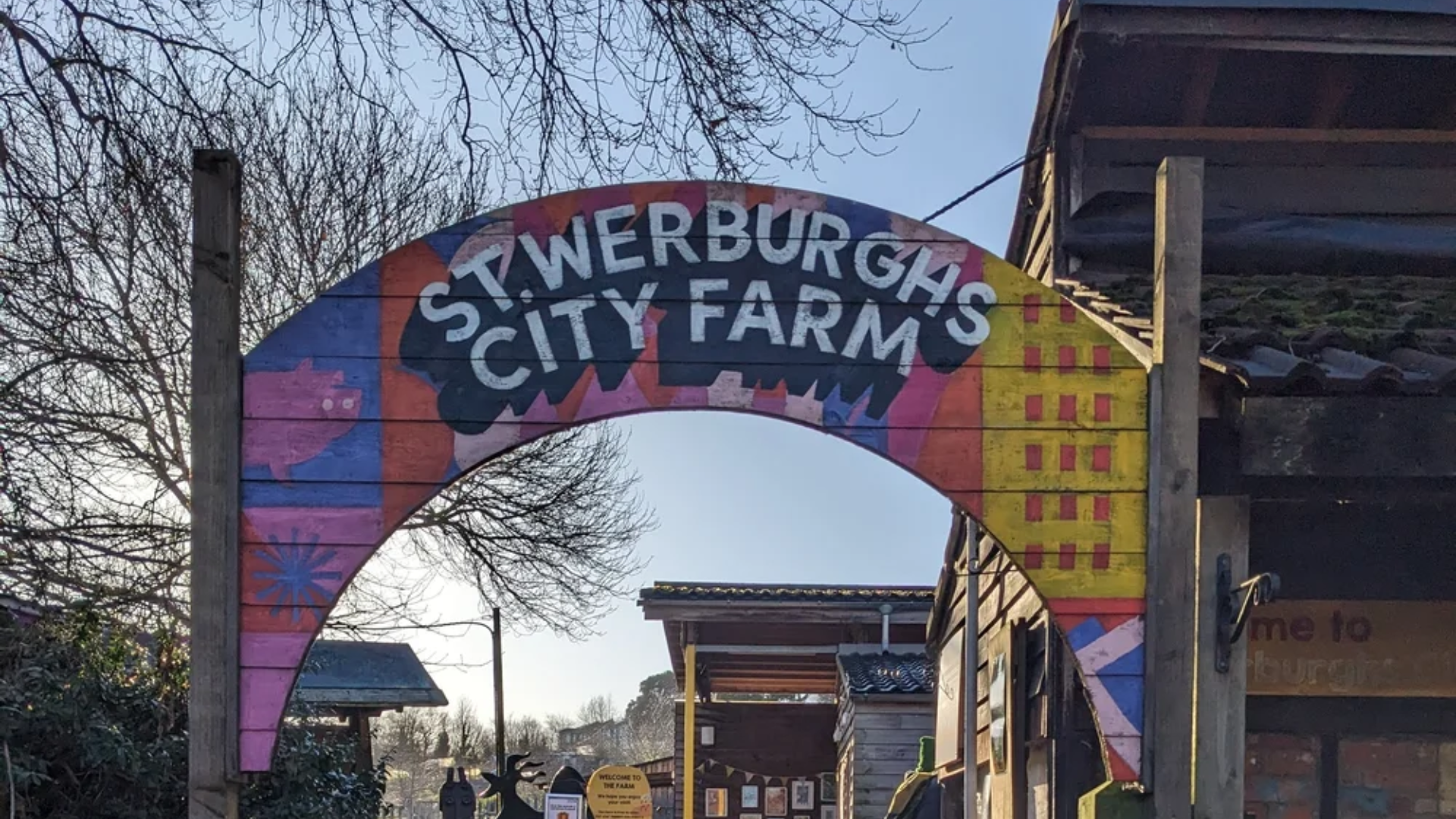
- Client: St Werburghs City Farm
- Sector: Charity & Community Organisations
- Location: St Werburghs, Bristol
- Services Provided: Air Tightness Testing, Thermography, Commercial Energy Survey (IOE & PAS 2038 SBEM Modelling), Low Zero Carbon Technologies Feasibility Study
- Scale: Café, community space,and administrative office, on a working city farm operating for over four decades
- Target: Technical diagnostic evidence to inform retrofit, energy efficiency and low carbon technology decisions – funded via the Bristol City Leap Community Energy Fund
The Challenge
For over forty years, St Werburghs City Farm has been a vital piece of social infrastructure for Bristol – supporting adults experiencing mental ill-health and social isolation, adults with complex learning disabilities, and children who need an alternative to mainstream education. Before any decisions could be made about the future of its buildings, the farm needed a genuine, evidenced understanding of their actual condition and performance – starting with whether retrofit was a viable option at all.
The Solution
Diagnostics, Energy Survey & Low Carbon Feasibility
We began with air tightness testing and a thermographic survey to establish an accurate baseline of the buildings’ existing performance, liaising with Askew Cavanna Architects on the Farm’s wider masterplan and co-design process to make sure our diagnostics fed into their work. This established the evidence needed to assess retrofit viability, and fed into a Commercial Energy Survey, including a full Improvement Option Evaluation and SBEM modelling under the PAS 2038 methodology, identifying the most cost-effective ways to improve energy efficiency. Building on this evidence base, we’re now delivering a Low Zero Carbon Technologies Feasibility Study, assessing which renewable and low carbon technologies are genuinely appropriate for the site.
The Outcome (so far)
This sequenced approach – diagnostics first, then improvement options, then technology feasibility – gives St Werburghs City Farm a technical evidence base built on real data rather than assumption at every stage. The project is helping a much-loved community asset move toward a genuinely informed low carbon future.