
Securing funding for a community energy project is rarely straightforward. Turning local passion into a scheme that investors and funders will actually back means navigating a genuinely complex landscape – and one thing stays constant across every route through it: funders back a credible technical plan, not just a good idea. This guide walks you through the community energy funding landscape and explains why durable technical feasibility is the critical first step to getting your project ‘fund-ready’.
In this guide, you’ll learn:
- The main categories of community energy funding available, and how they differ
- Why technical feasibility is the foundation every funding application needs
- What it actually means to be ‘fund-ready’ – and where projects with strong ideas still fall short
- How our energy surveys helped a real community project secure funding
Understanding the Community Energy Funding Landscape
Securing funding is rarely a one-shot effort. The landscape is constantly evolving, and success often comes from understanding the different avenues available.
The most comprehensive list of opportunities is maintained by Community Energy England, the sector’s leading representative body. We highly recommend using their page as a starting point – click to view the live list of community energy funding opportunities.
As you explore that list, you’ll see opportunities generally fall into these categories:
1. Government & Devolved Administration Grants
The Great British Energy Community Fund (formerly the Community Energy Fund) is a prime example of a government initiative empowering local people to develop their own clean energy projects, designed to cover vital, upfront development costs like initial energy surveys, feasibility studies and planning support, where expert technical guidance is invaluable. If your project sits in Scotland or Wales, the devolved administrations run their own equivalents alongside this – Scotland’s CARES (Community and Renewable Energy Scheme) and Wales’s Welsh Government Energy Service are both influential routes in their own right, worth checking regardless of whether a UK-wide fund also applies.
2. Network Operator (DNO) & Utility Funds
Distribution Network Operators (DNOs) and other utilities run their own community funds, often tied to their licence area and to strengthening local grid resilience. Scottish and Southern Electricity Networks’ Powering Communities to Net Zero fund – the route that helped Dragonfly Power secure funding (see below) – is a good example. These funds sit alongside government grants rather than replacing them, and eligibility is usually tied to the operator’s own network area.
3. Charitable Trusts & Philanthropic Grants
Government and DNO grants tend to get the most attention, but charitable and philanthropic bodies are significant funders of community energy too – particularly for the “soft” human infrastructure that hardware-focused grants often exclude, like community outreach, coordinator salaries, education or fuel poverty initiatives tied to an energy project. The National Lottery Community Fund, the Esmée Fairbairn Foundation, Ashden and regional UK Community Foundations are worth exploring here.
4. Local Authority Funding & Council Partnerships
Local councils are increasingly partnering with community groups to meet their own climate emergency targets, and that partnership is often the practical “glue” that makes a project viable – particularly where it depends on access to public land or roof space. Mechanisms vary widely council to council, but include Section 106 agreements, Community Infrastructure Levy funds, direct council climate emergency grants, and low-interest council loans via the Public Works Loan Board.
5. Ethical Finance & Social Investment Loans
It’s worth being clear that this category is primarily repayable debt finance, not grant funding – distinct from the non-repayable grants above and the equity of a community share offer below. Ethical and social lenders such as Triodos Bank, Charity Bank, Resonance and Social Investment Business focus specifically on this space.
6. Community Share Offers & Crowdfunding
Not to be discounted, community share offers and crowdfunding can be a powerful way to raise investment directly from the local community – this approach not only raises capital but can also build community buy-in and a sense of shared ownership.
Grants, Shares and Loans: Building a Blended Model
Understanding the difference between grants (non-repayable), shares (equity) and ethical loans (debt) is what lets a project build a genuinely blended finance model rather than relying on one route alone.
While knowing where to look for funding is the first step, securing the investment is the next major hurdle. A successful application always requires more than just a good idea; it needs a foundation of credible data, clear performance projections, and a thorough technical feasibility study. This is where being truly ‘fund-ready’ makes all the difference.
The Key to Community Energy Funding Success: Technical Feasibility
Regardless of the funding source, the success of any community energy project hinges on a clear understanding of its technical viability and potential performance. This is precisely why early-stage development funding matters – it provides the means to access the professional technical advice needed to ensure a proposed scheme is fit for purpose.
Expert technical and performance-focused advice is what accurately determines the viability of a project and shapes how it can progress efficiently towards implementation. Community groups should proactively explore how different energy technologies and building improvements will work in their specific context, to determine the most effective route to impactful energy solutions.
What Does It Mean to Be Truly ‘Fund-Ready’?
Being ‘fund-ready’ means more than just filling out an application; it means having a solid foundation. This involves:
- A technical plan that clearly demonstrates the project’s viability and its potential for local community benefit.
- Confidence that the scheme you are presenting is technically achievable and that its performance projections are sound.
- Access to knowledgeable technical partners who can collaborate closely with your group, providing essential insights and support as a critical friend.
Focusing on the long-term energy performance and efficiency of your project creates lasting value – and that will only matter more as renewable energy projects and buildings become more interconnected and integral to local energy resilience.
Of course, a fund-ready project also needs a solid legal structure, a capable team, and a clear plan for navigating local planning and grid connection hurdles. But even projects with strong governance will struggle to secure investment without a credible, verifiable technical plan at their core – that’s what proves a project is not just a good idea but a viable reality.
Case Study: Dragonfly Power’s Community Energy Funding Bid
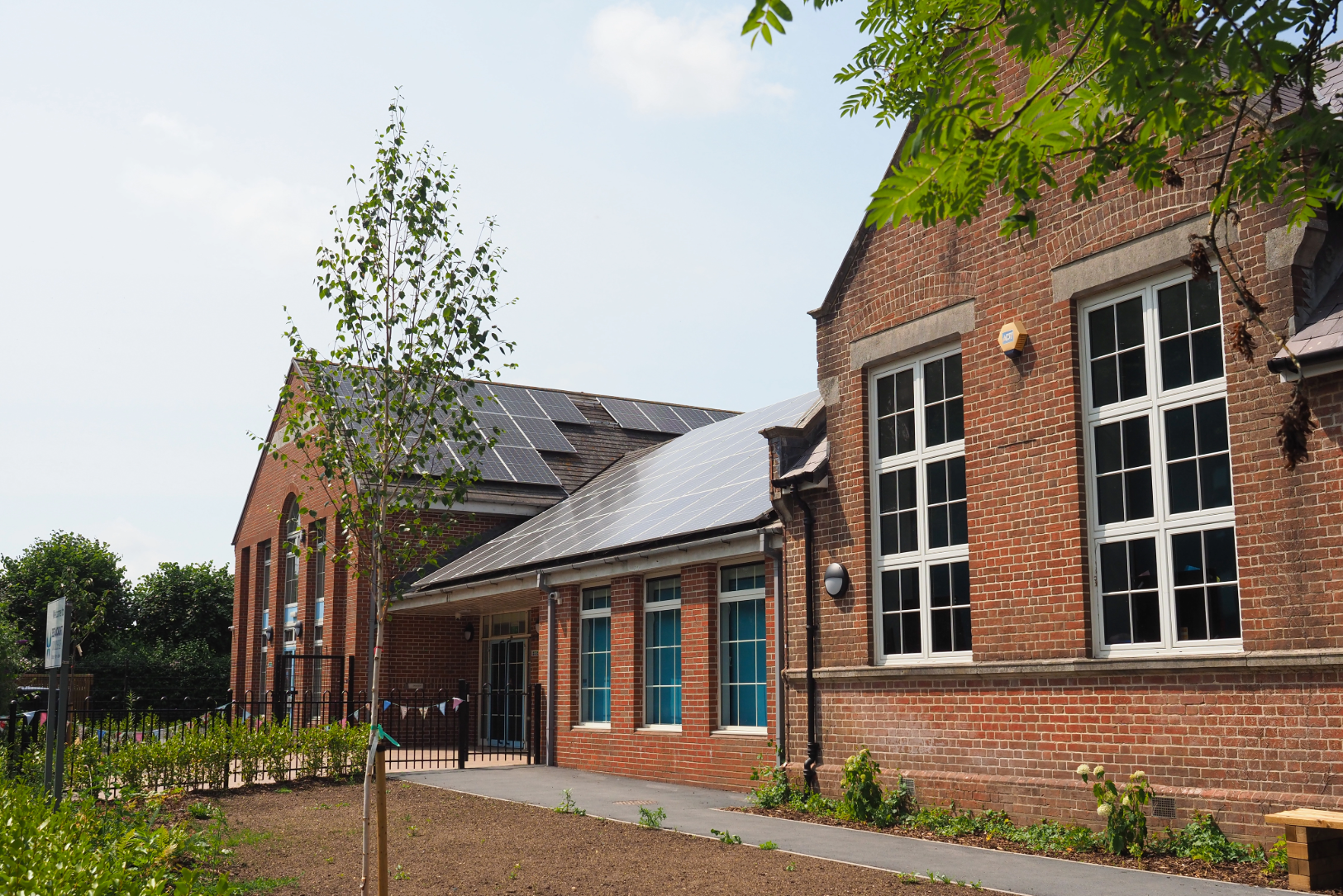
Our work with Dragonfly Power is a direct example of this in practice: we surveyed seven community halls across Test Valley, Hampshire, giving each one the technical evidence needed to make a credible case for green funding.
Delivering commercial energy surveys across seven community halls to strengthen funding applications for solar, battery and heat pump upgrades.
What’s Next?
Turning a community energy vision into reality means pairing local passion with a technical foundation that funders can actually trust. That’s where we come in – helping you navigate the funding landscape and get genuinely fund-ready, not just application-ready.

If you’d like to discuss your project’s technical feasibility, or need the assessments and data to strengthen a funding application, get in touch with our team.