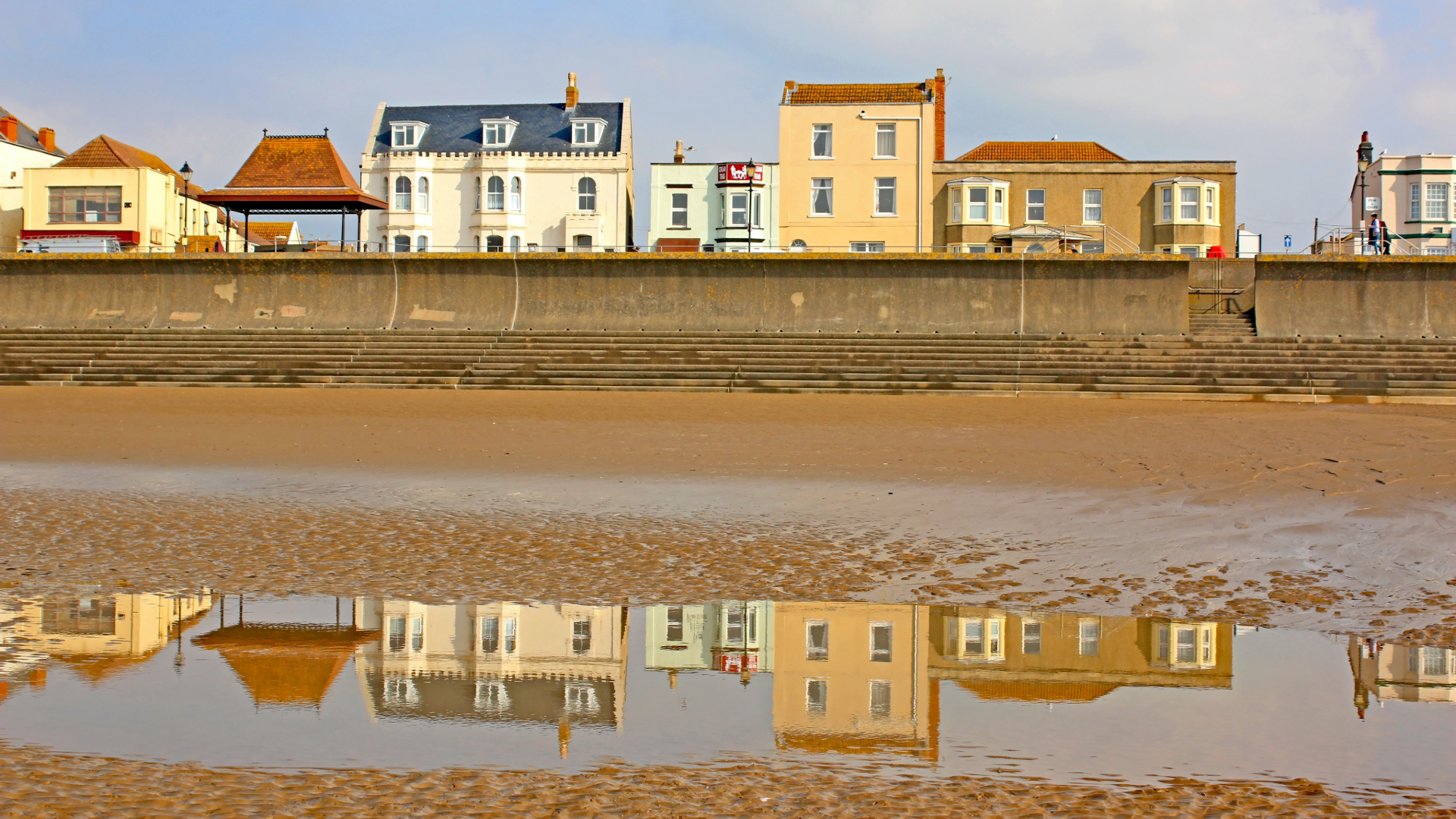

Delivering public resident engagement, retrofit assessments and SAP modelling to help a community energy group build an evidence base for affordable home upgrades.
Project Overview
- Client: Centre for Energy Equality (commissioned on behalf of Burnham and Weston Energy C.I.C.)
- Sector: Charity & Community Organisations | Private Residential – Retrofit & Existing Homes
- Location: Burnham-on-Sea, Somerset
- Services Provided: PAS 2035 Retrofit Assessments, Retrofit Coordination (SAP Improvement Option Evaluations, Medium-Term Improvement Plans)
- Scale: 8 private properties, selected as representative archetypes of the wider Burnham-on-Sea and Highbridge housing stock
- Target: Baseline EPC C/D across the sample; establish a retrofit evidence base for the wider community – funded via the Community Energy Fund
The Challenge
Burnham and Weston Energy needed to launch a new hyperlocal retrofit scheme, but success depended on getting residents to actually participate – inputting their property details into the Fairer Warmth app and volunteering their homes for assessment. That meant explaining concepts like retrofit assessments to a non-technical audience in a way that made energy efficiency feel accessible and affordable, not intimidating, right from the outset.
The Solution
Community Engagement, Archetyping & Modelling
We presented at the project’s public launch event at Burnham-on-Sea Parish Council Hall, explaining the retrofit assessment process and how detailed testing pinpoints the most effective upgrades for a home – directly encouraging residents to input their property data into the Fairer Warmth app and volunteer for assessment.
From the resulting data, Centre for Energy Equality identified 8 properties that best represented the range of archetypes across the local housing stock. For each, we carried out a full PAS 2035 retrofit assessment and airtightness test, then modelled two improvement scenarios using full SAP: a fabric-first option (insulation, glazing and airtightness improvements) and a second option layering in an air source heat pump and solar PV. Each property also received a Medium-Term Improvement Plan, giving homeowners a staged, practical route through the recommended measures.
The Outcome
The launch event successfully translated technical concepts into clear, accessible advice, driving resident sign-ups to the scheme and the data needed to select representative archetypes. Across the 8 properties assessed, a consistent pattern emerged: fabric measures alone typically moved a property from EPC D or C into the C/B range, but the larger jump came from pairing fabric improvements with an air source heat pump and solar PV – taking several homes to an EPC A rating and cutting regulated carbon emissions by up to 89%. Because the properties were chosen to represent the housing stock as a whole, the resulting retrofit roadmaps and cost benchmarks are being shared across the wider community, giving residents beyond the 8 assessed homes a realistic, practical picture of what retrofit could achieve on a similar property to their own.

